
The Woodhead Electric
Feb 08, 2018
The Woodhead Electric Railway in Blue is coming soon to Train Simulator, so today we are recounting the history of the route, and of course sharing some screenshots!
The Sheffield, Ashton-under-Lyne and Manchester Railway Company connected Sheffield and Manchester by rail in 1845, significantly reducing journey times which once spanned days. The line originally travelled from Manchester London Road (which is today called Manchester Piccadilly) to Bridgehouses, it didn’t reach its final terminus of Sheffield Victoria until 1851. As for the original company, after several mergers it became part of the Great Central Railway, later the LNER, before finally falling under the Eastern Region of British Railways.
While revolutionary, the line through the Pennines quickly proved troublesome for steam traction, steep and unforgiving gradients, combined with heavy coal trains, made traversing the route a challenge. The line itself had already been quadrupled so passenger and freight could run side-by-side, but a bigger change was needed. Even as far back as the GCR days, discussions of electrification were taking place.
Words were turned into actions by the LNER in 1936, who planned out the electrification of the line between Sheffield and Manchester, including the branch line to Wath, and even had a majority of the overhead gantries in place before the start of the Second World War. While the conflict halted the project, it was reinstated as soon as the war ended, however one big change to the line was added into the plan.
To traverse the Pennines, the Woodhead Line when built bored through the landscape with tunnels stretching to 3 miles long. Initially, a single-track tunnel “Woodhead 1” was opened in 1845 and was one of the longest in the world, this was soon followed by “Woodhead 2”, another single-track pathway though the Pennines. Enclosed, and damaged due to years of use by steam locomotives, it was decided that the electrified line would pass through “Woodhead 3”, a new twin-track tunnel that could incorporate the wires.
As electrification continued, Gorton locomotive works of Manchester were given the task of constructing the new fleet of electric traction which would soon dominate under the wires. The most prolific would be the Class EM1 (Electric Mixed-Traffic 1), later added in TOPS as the BR Class 76. A total of 58 Class 76 locomotives were built to work the Woodhead Line, and while primarily freight locomotives, they did do their fair share of passenger work too.
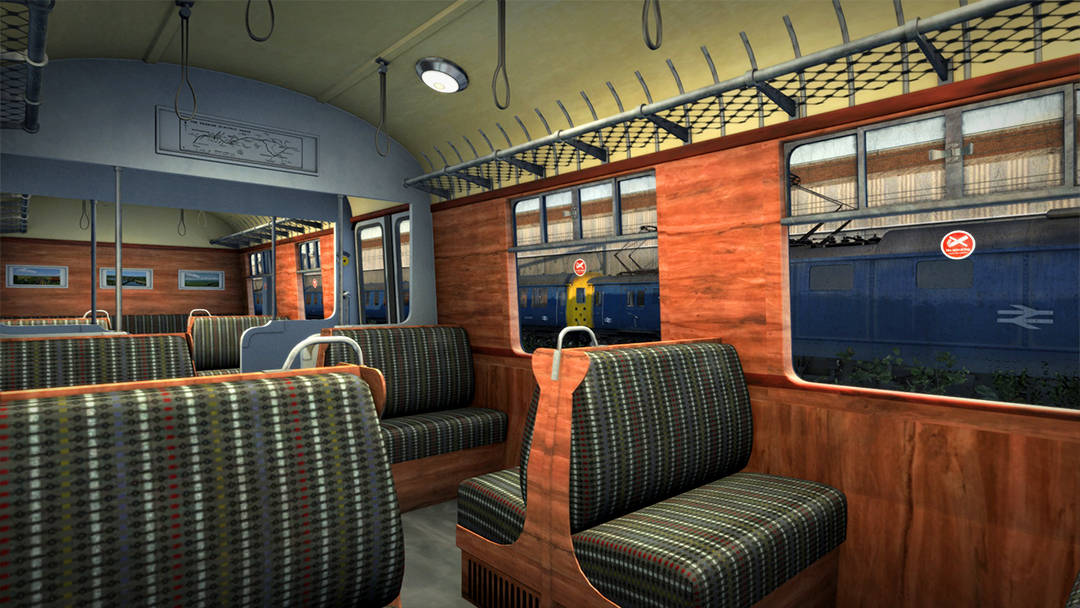
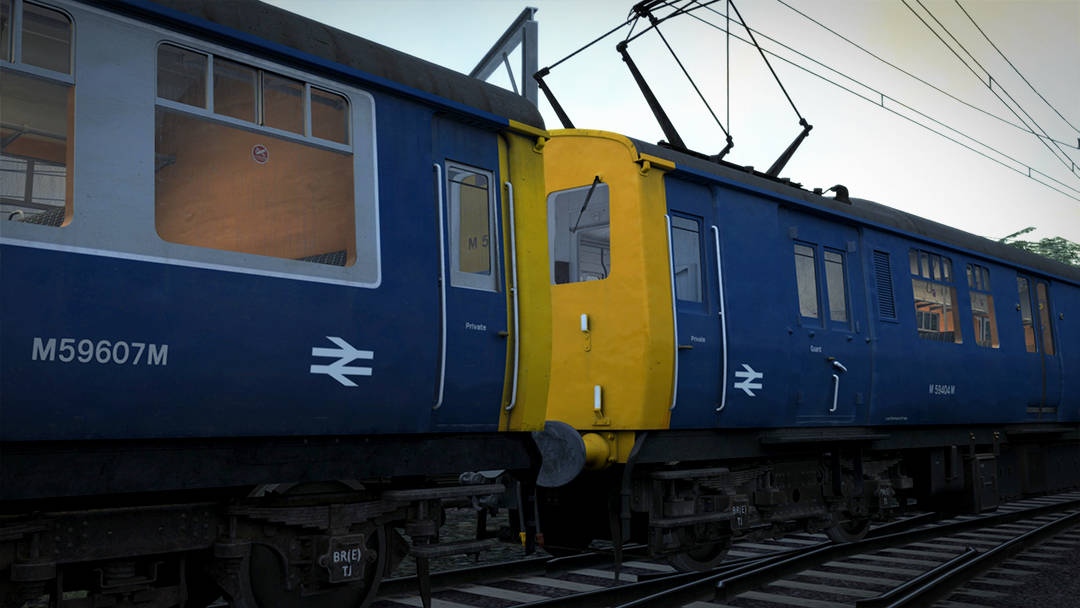
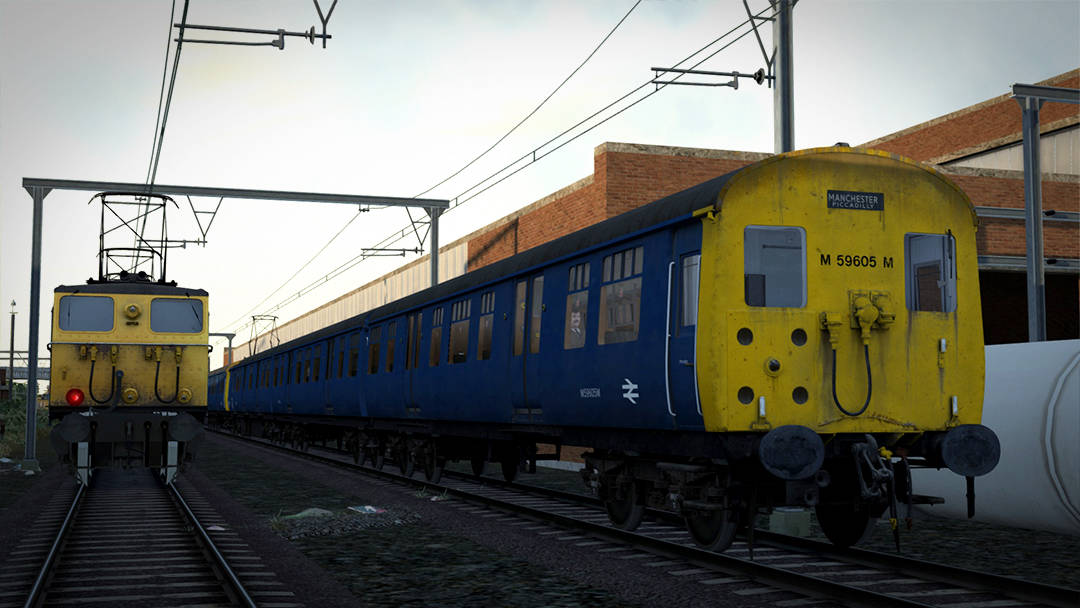
Constructed for passenger use in mind was a small fleet of 8 BR Class 506 EMUs, these 3-car units would operate between Hadfield, Glossop and Manchester throughout their working lives. The 506s were rather unique, along with the 76s and the Woodhead Line itself, in being electrified to 1500V DC, instead of the conventional 25 kV AC, this different electrification made it easier for heavy trains to use regenerative braking on the unrelenting downhill sections.
Despite the modernisation and new fleet, the Woodhead Line was closed to passenger traffic in 1970, this controversy was due to the Hope Valley Line being all around more convenient, albeit less direct. This left the route via Woodhead in a declining state, and towards the end of its life it was mainly home to coal traffic. The line would not survive long into the 1980s, being non-standard, alternative routes proved more viable and all traffic ceased in July 1981.
It would only take a few years for a majority of the track to be lifted, leaving only small sections which are still open today as parts of other lines. Today, the long lost trackbed has become a trail for hikers, and out of the trio of Woodhead tunnels, one is in disrepair, and the others have been utilised by the National Grid, conveying electricity cables underground. Even if rails came back to this area, the Woodhead Tunnels will most likely never see trains again.
In Train Simulator, the Woodhead Electric Railway in Blue captures the route as it was in its waning years, and in addition to that, covers extra mileage such as the Glossop Branch and Reddish depot. If that wasn’t enough, the included traction; Class 08, Class 76 and Class 506, will all come equipped with Pro Range functionality for those who like an extra challenge!
We will bring to you more details soon, for the time being however, enjoy our selection of screenshots of the Class 506 about Reddish Depot! ■


Screenshots and images displayed in this article depict content that is still in development and the represented brands may not have been approved by the respective owners. You should, therefore, consider all screenshots and images to be not final and pending approval.

0

0

0

0